NEWS
Sustainability and current energy prices


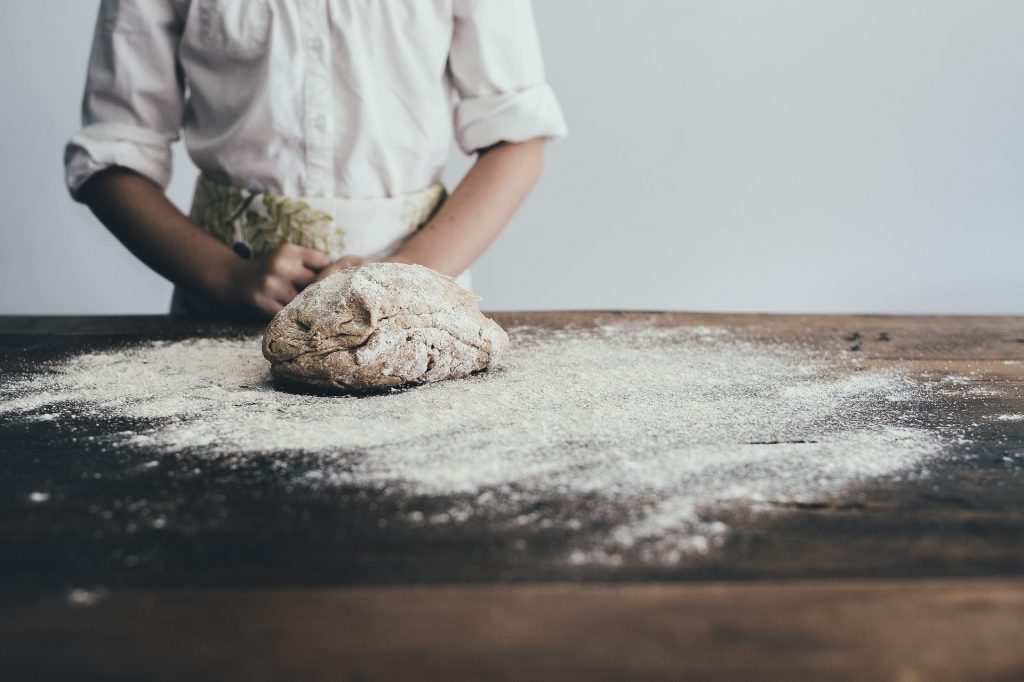
The price of bread increases again and again. What can bakeries do in order to limit the price increase for consumers?
Year 2021, followed by 2022 saw a dramatic energy price increases due pandemic and global geopolitical factors. Energy pricing used to be relatively stable for the past 5 years, but now the situation has turned completely upside down. For the ordinary consumer it has meant a sharp increase in daily expenses like gasoline and food, including bread. These are typical consumer commodities that spur immediate reaction from consumers with on-going negative publicity in public opinions. Even though bakeries have a valid point for their price increase, consumers still believe they are treated unfairly. The energy cost before the crisis used to be approximately 2-3 % of the total turnover for bakeries, while it is today even above 10 %, and has increased over 3 times. The bad news is that the energy price increase will now also be followed by a large increase in bakery ingredients which again will be reflected in the price of bread. Ingredient price increase in Finland Q1/22: Flour +25 %, oats 25 %, rye 25 %, eggs 40 % etc., and as the ingredient cost is approximately 25 % of the total turnover for the bakeries, there will be inevitably further increase in bread pricing incoming spring and summer 2022. The price increase for bread is expected to be from 10-20 %.
As bakeries cannot really touch the ingredients for cutting costs without endangering the quality of bread, bakeries could still improve in energy efficiency.
If bakeries can still be more energy efficient, what is the solution to decrease price increase for bread?
“It is really expensive not to be energy efficient and sustainable in bakery business today. The majority of bakeries have bottlenecks in their processes, loss of heat conservation, lack of efficient use of ovens and outdated parts of the production processes. The good news is that even with some general improvements and even quick fixes, bakeries can be more energy efficient fairly easy “ – says Mikko Lehtinen, CEO of Baron Foodtech, a bakery consulting company from Finland.
Approximately 90% of all ovens function with gas today. They are considered the norm and preferred among bakeries for their baking properties and affordability in use (Up until current days). The ovens are also the most expensive investment in the bakery production line and considered as long-term investments with a lifespan of up to 40-50 years. Therefore, bakeries are carefully evaluating when it is time to invest in new ovens. Despite the fact the gas price increased drastically lately, basically no bakery can just decide with few months notices to invest in new ovens that could potentially be more energy efficient or function with electricity instead of gas. But, by frequently analyzing the ovens functionality and by optimizing its output, even the old ovens can be far more energy efficient.
In one of the recent energy cost saving cases of Baron Foodtech, the improvements were dramatic. Based on the auditing of the customers operations and oven, a minor mechanical issue was detected and fixed, which helped to reduce the gas flow by 40 % and still maintain exactly the same temperatures.
The excess heat from ovens is already today used for heating up water that will be used in other parts of the baking process. Some bakeries even manage to use the excess heat to heat up office spaces, neighboring buildings and even sell forward some of the heat. It is in theory possible for a bakery to be completely self-sufficient in terms of heating today, basically abolishing heating costs, with relatively small investments.
Baron Foodtech finds energy efficient solutions for bakeries
The family company Baron Foodtech consults bakeries in industrial baking, including how to be more energy efficient. As bakery business is a low margin business, all bakeries will need to find ways to be squeeze every single penny possible from all parts of the operations, without jeopardizing the quality of the production. Baron Foodtech considers that energy efficiency is one of the major directions that has a lot of potential for improvements and cost savings in bakery business.
“We look at our customers operations much more holistically, analyzing not only the machinery, but all the processes evaluating how energy efficiently the overall business is operated, and how much money – or profit – is being wasted or made” – says Matias Lehtinen, Head of Sales from Baron Foodtech.
Bakery operations audit
Baron Foodtech meets the bakery representatives and analyses the bakery operations. This includes meetings with the personnel, analyzing of the bakery process, analyzing the bakery machinery and separate parts, measuring of energy consumption, excess heat, workflow and other parts that affect the overall output of the bakery. With the audit, Baron Foodtech will draft a summary and recommendation for how to improve energy efficiency of the bakery.
Action plan
Based on the audit, Baron Foodtech drafts an action plan with both quick fixes and long-term recommendation goals. The action plan is always tailored to that specific bakery with their set targets and capabilities for improvement, with a clear description of how each step will improve the overall energy consumption.
Implementation, monitoring and follow up
The implementation and improvements are constantly monitored during and after the implementation process. With the analyzed data, the client and Baron Foodtech can monitor the clear improvements and even consider if there are even more ways to improve energy efficiency.
Bakeries should also utilize software by building measuring infrastructures of the energy use. With the Siemens software and hardware solutions, which are most commonly used in bakeries, you can develop full analyses and reporting of the gas expenditure annually, monthly and even daily, with detailed flowmeters. You can also analyze separate stages of the baking process and separate machinery, find the loopholes and the detailed parts for improvements. Baron Foodtech helps the bakeries to develop these kinds of detailed measurement infrastructures that will pay back itself in dividends.
As a conclusion, those bakeries who are not energy efficient today are naturally already having harder times than others. Even though the energy price would one day decrease, the carbon decrease and environmental agenda will also affect how bakeries are using energy, what energy forms and to what cost. Those bakeries who cannot follow the energy efficiency trend and adapt to current changes, will need to increase their price for bread again. At latest in this stage, it is expected for the consumers to choose the more affordable and energy efficient bread brand.